Homemade Pâtes de Fruits-No Corn Syrup Delight
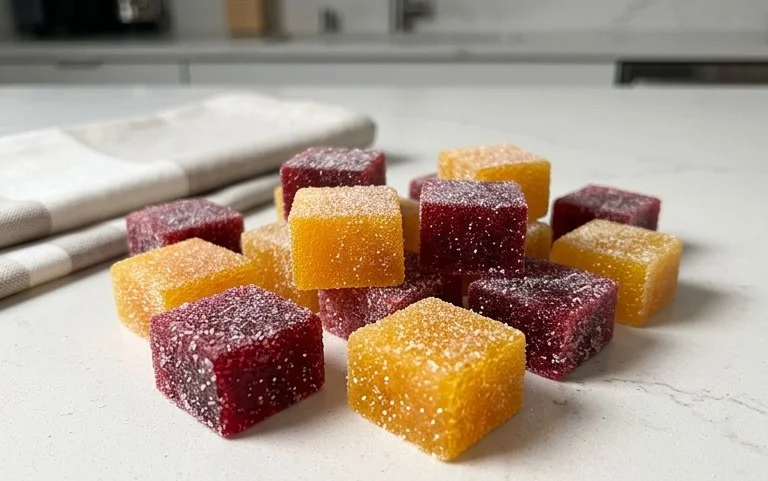
Homemade pâtes de fruits, those vibrant, jewel-like fruit jellies, are a delightful treat that transports me straight back to sun-drenched European summers. Forget the mass-produced versions that can sometimes taste artificial; crafting your own pâtes de fruits at home unlocks a world of intense, pure fruit flavor. People adore them for their chewy, satisfying texture, the burst of concentrated fruit essence with every bite, and their beautiful, jewel-like appearance that makes them perfect for gifting or special occasions. What truly makes these pâtes de fruits special is the absence of corn syrup. By relying on natural sugars and a careful cooking process, we achieve a sublime, balanced sweetness and a perfect set that allows the true character of the fruit to shine through. Join me as we create these exquisite, guilt-free fruit gems.
Homemade Pâtes de Fruits (No Corn Syrup)
Pâtes de fruits, those delightful little jewels of intensely flavored fruit jelly, often evoke images of Parisian patisseries and artisanal candy shops. The challenge for many home cooks is replicating that perfect chewy-yet-tender texture and vibrant flavor without resorting to corn syrup, a common ingredient in commercial versions that some of us prefer to avoid. But fear not! Crafting your own corn syrup-free pâtes de fruits is surprisingly achievable and incredibly rewarding. The secret lies in the careful balance of fruit, sugar, and pectin. We’re going to dive into a simple, yet effective, method using just a handful of high-quality ingredients to bring this elegant treat into your own kitchen. Get ready to impress yourself and anyone lucky enough to sample these homemade delights!
Ingredients:
*Note on Pectin: Classic pectin (also known as apple pectin or powdered pectin) is crucial here. It’s derived from fruit and acts as a gelling agent. Ensure you are using this type of pectin and not a liquid pectin or a low-sugar pectin, as the ratios are different and will affect the final texture. You can usually find it in the baking aisle of most well-stocked grocery stores.
Cooking Instructions
This process is all about precision and patience, but the end result is truly worth it. We’ll break it down into manageable steps to ensure your success.
Preparing Your Equipment
Before you even start mixing, it’s essential to have everything ready. This recipe moves quite quickly once the cooking begin extracts, and you don’t want to be scrambling for supplies. You’ll need a medium-sized heavy-bottomed saucepan. A heavy bottom is key to preventing scorching. You’ll also need a candy thermometer (or a digital thermometer) to accurately measure the temperature, which is vital for achieving the correct set. Prepare a square or rectangular baking dish (an 8×8 inch pan works well). Line it meticulously with parchment paper, leaving an overhang on all sides. This overhang will be your handy tool for lifting the set pâtes de fruits out of the dish later. Lightly grease the parchment paper with a neutral oil or cooking spray. Finally, have a shallow dish or plate ready filled with granulated sugar for coating your finished candies.
Combining the Fruit and Pectin
In your saucepan, combine the 2 cups of fruit juice with the 3 tablespoons of classic pectin. Whisk this together thoroughly until there are no lumps of pectin visible. It’s important to get the pectin evenly dispersed in the juice before heating. This prevents clumps from forming and ensures a smooth texture in your final pâtes de fruits. Let this mixture sit for about 5 to 10 minutes. This allows the pectin to hydrate slightly, further aiding in its dissolution when heated. During this resting period, you can prepare your other ingredients and equipment, as mentioned above.
The Initial Cook and Sugar Incorporation
Place the saucepan over medium-high heat. Stir the fruit juice and pectin mixture constantly with a whisk or heatproof spatula as it begin extracts to warm up. You want to bring this mixture to a gentle boil. Once it reaches a boil, continue to stir for about 1 minute. This initial boiling helps to activate the pectin. After that minute, carefully add the 1 cup of granulated sugar to the pot. Stir continuously until the sugar is completely dissolved. This step requires a bit of vigilance to prevent the sugar from sticking to the bottom of the pan.
Reaching the Setting Point
Now comes the most crucial part: cooking the mixture to the correct temperature. Continue to cook, stirring constantly, over medium-high heat. You are aiming for a temperature of 220°F (104°C). This is the “firm ball” stage on a candy thermometer, which indicates that the mixture has reached a concentration and temperature suitable for setting into a firm jelly. Be patient; this can take several minutes. Don’t be tempted to rush it by turning the heat up too high, as this can lead to scorching or an uneven set. As the temperature rises, you’ll notice the mixture thickening.
Adding the Lemon Juice and Final Pour
Once your candy thermometer registers 220°F (104°C), immediately remove the saucepan from the heat. Stir in the 1 tablespoon of freshly squeezed lemon juice. The lemon juice not only adds a subtle brightness to the flavor profile but also helps to enhance the setting process and balance the sweetness. Give it a final, thorough stir to ensure everything is well incorporated. Carefully and quickly pour the hot fruit mixture into your prepared, parchment-lined baking dish. Work swiftly because the mixture will start to set as it cools. Gently tilt the dish to ensure an even layer, about ¼ to ½ inch thick. Let the pâtes de fruits cool completely at room temperature for at least 4 hours, or ideally, overnight. Resist the urge to refrigerate it, as this can affect the texture.
Cutting and Coating
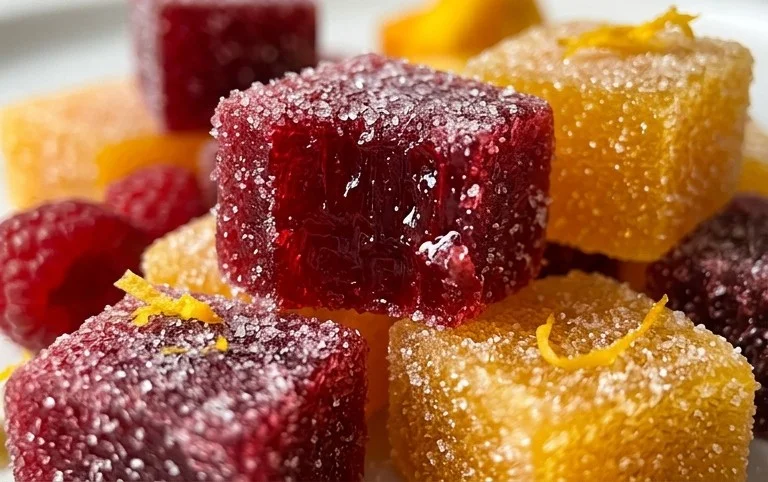
Once your fruit jelly has completely set and is firm to the touch, it’s time for the final flourish. Use the parchment paper overhangs to carefully lift the entire sheet of set pâtes de fruits out of the baking dish and onto a clean cutting board. Using a sharp knife or a pizza cutter that has been lightly oiled, cut the jelly into your desired shapes. Squares are traditional, but you can get creative with rectangles or even small diamonds. Once cut, toss each piece generously in the granulated sugar you prepared earlier. Ensure each side is well-coated. This sugar coating not only prevents them from sticking together but also adds a delightful crunchy exterior that contrasts beautifully with the chewy interior. Store your homemade pâtes de fruits in an airtight container at room temperature, separated by layers of parchment paper if you’re stacking them. Enjoy your exquisite, homemade candy!
Conclusion:
Creating your own homemade pâtes de fruits without corn syrup is incredibly rewarding and surprisingly achievable! This recipe allows you to control the ingredients, ensuring a pure fruit flavor unadulterated by artificial sweeteners or corn-based products. The result is a beautifully translucent, delightfully chewy candy bursting with the vibrant taste of your chosen fruit. These pâtes de fruits are not only a delicious treat but also a fantastic way to preserve the essence of seasonal fruits.
I encourage you to give this recipe a try! You’ll be amazed at the sophisticated confection you can produce in your own kitchen. Serve them as an elegant dessert after a meal, as a special addition to a cheese board, or simply as a delightful pick-me-up with your afternoon tea or coffee. They also make wonderful homemade gifts, beautifully wrapped and presented.
Don’t be afraid to experiment with different fruit combinations! Think beyond the usual: try a tart raspberry and lime, a tropical mango and passionfruit, or even a sophisticated fig and balsamic. The possibilities are endless.
Frequently Asked Questions:
Why is this recipe better than those using corn syrup?
This recipe offers a cleaner, more natural flavor profile. Corn syrup can sometimes impart a subtle, artificial sweetness and a slightly different texture. By using sugar and fruit pectin, you achieve a more authentic fruit taste and a delightful chegrape juicess that lets the fruit shine.
My pâtes de fruits are too hard. What did I do wrong?
The most common reason for hardness is cooking the sugar syrup to too high a temperature. Ensure you are using a candy thermometer and aiming for the precise temperature specified. It’s also crucial not to overcook the mixture once the fruit purée is added.
Can I use frozen fruit for my homemade pâtes de fruits?
Absolutely! Frozen fruit works wonderfully. Thaw it completely and drain off any excess liquid before puréeing. You might need to cook the purée down slightly longer to remove excess moisture before adding the sugar mixture.
Homemade Pâtes de Fruits (no corn syrup)
A delightful homemade pâte de fruits recipe using fruit juice and pectin, avoiding corn syrup for a pure fruit flavor.
Ingredients
-
2 cups fruit juice (orange and pomegranate)
-
1 cup granulated sugar, plus more for coating
-
3 tablespoons classic pectin
-
1 tablespoon freshly squeezed lemon juice
Instructions
-
Step 1
In a saucepan, whisk together the fruit juice, granulated sugar, and pectin until well combined. -
Step 2
Place the saucepan over medium heat and stir continuously until the mixture comes to a boil. Boil for 1 minute, stirring constantly. -
Step 3
Remove from heat and stir in the fresh lemon juice. -
Step 4
Pour the mixture into a parchment-lined 8×8 inch baking pan, spreading it evenly. -
Step 5
Allow to set at room temperature for at least 4 hours, or until firm. -
Step 6
Once set, cut the pâte de fruits into desired shapes using a sharp knife or cookie cutters. Roll each piece in granulated sugar to coat.
Important Information
Nutrition Facts (Per Serving)
It is important to consider this information as approximate and not to use it as definitive health advice.
Allergy Information
Please check ingredients for potential allergens and consult a health professional if in doubt.