Zesty Chimichurri Sauce Recipe – Flavorful & Fresh
Chimichurri sauce. If you’ve ever tasted it, you know it’s more than just a condiment; it’s a vibrant explosion of flavor that transforms even the simplest grilled steak into something truly extraordinary. This Argentinian staple, bursting with fresh herbs, tangy vinegar, and a hint of garlic, has a way of making everything it touches sing. People adore chimichurri sauce because it’s incredibly versatile and awakens the palate with its bright, herbaceous notes and subtle warmth. It’s the perfect counterpoint to rich, savory meats, but it’s also surprisingly delightful drizzled over roasted vegetables, used as a marinade, or even as a zesty dip for bread. What truly makes this chimichurri recipe special is its effortless balance – it’s punchy yet fresh, complex yet wonderfully simple to prepare. Get ready to unlock a whole new level of deliciousness with this essential sauce.
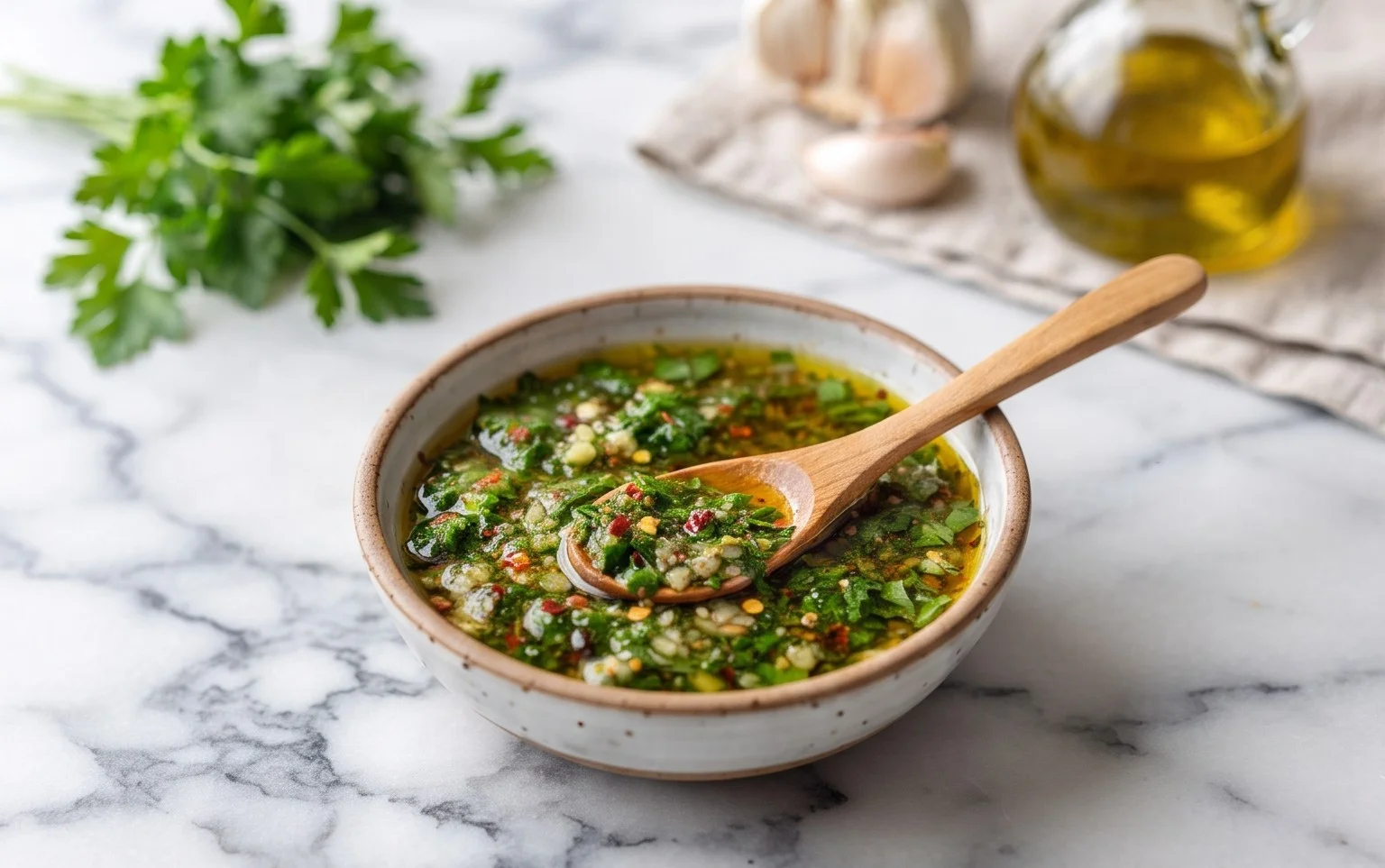
Chimichurri Sauce
There are few sauces that possess the vibrant, herbaceous punch and versatility of chimichurri. Hailing from Argentina and Uruguay, this uncooked sauce is the perfect accompaniment to grilled meats, but its bright flavors are equally at home drizzled over roasted vegetables, as a marinade, or even as a zesty salad dressing. Forget those store-bought imposters; making authentic chimichurri from scratch is incredibly simple and incredibly rewarding. The key is fresh, quality ingredients and a little bit of chopping. Get ready to elevate your culinary game with this flavor-packed condiment!
Ingredients:
Crafting Your Chimichurri: A Step-by-Step Guide
The beauty of chimichurri lies in its simplicity. It’s all about finely chopping fresh ingredients and then emulsifying them with a zesty, oil-based dressing. You won’t be turning on a stove or firing up a blender for this one; it’s a pure celebration of fresh produce.
Prepare the Herbs and Aromatics:
This is where the magic begin extracts. Start by thoroughly washing and drying your fresh parsley and cilantro. It’s crucial that the herbs are dry; any excess water will dilute the flavor and can affect the shelf life of your chimichurri. Once dry, finely chop the parsley and cilantro. Aim for a consistency where the leaves are broken down but not completely pulverized. Next, if you’re using fresh oregano, chop that finely as well. If you’re opting for dried oregano, simply measure it out. For the onion, you’ll want to dice it very finely. A quarter of a small red onion will provide a pleasant subtle bite, but if you prefer a milder flavor, a small shallot is an excellent alternative. Mince your garlic cloves as finely as possible. You can also use a microplane for the garlic if you want to ensure it’s virtually undetectable as individual pieces, but rather fully integrated into the sauce. The goal here is to have all your solid ingredients chopped to a similar, small size so they meld together harmoniously.
Combine the Chopped Ingredients:
In a medium-sized bowl, combine your finely chopped parsley, cilantro, oregano (fresh or dried), minced red onion or shallot, and minced garlic. This is the foundation of your vibrant green sauce. Take a moment to appreciate the fresh, invigorating aroma that’s already starting to fill your kitchen. This aromatic blend is what gives chimichurri its signature fresh and herbaceous character. Ensure everything is mixed together evenly at this stage before proceeding to the liquid components.
Introduce the Vinegars and Seasonings:
Now, it’s time to add the zing! Pour in the red grape juice vinegar and fresh lemon juice. The vinegar provides a tangy acidity that cuts through the richness of the olive oil and brightens the herbaceous flavors. The lemon juice adds another layer of citrusy brightness, complementing the herbs beautifully. Add the 1/2 teaspoon of salt to this mixture. Salt is essential for bringin extractg out the best in all the ingredients. If you are using red pepper flakes, this is also the time to stir them in. Start with the suggested 1/4 teaspoon, but don’t hesitate to add more if you enjoy a bit of heat. Remember, you can always add more salt and pepper flakes later, so it’s best to season conservatively at first and adjust as needed. Stir these liquid ingredients and seasonings thoroughly into the chopped herbs and aromatics. Allow this mixture to sit for about 5-10 minutes. This brief resting period allows the flavors to start melding and the onion and garlic to soften slightly, becoming more integrated into the overall profile.
Emulsify with Olive Oil:
This is the final step in bringin extractg your chimichurri together. Slowly drizzle in the olive oil while continuously stirring. You can do this with a whisk or a fork. The goal is to create an emulsion, where the oil and liquid ingredients are suspended together. You’re looking for a sauce that is well-combined and slightly thickened, but not as thick as a mayonnaise. Don’t rush this process. Adding the olive oil gradually and stirring constantly helps to create a stable and appealing texture. If you prefer a smoother sauce, you can gently pulse it a few times in a food processor after adding the oil, but be careful not to over-process; you want to maintain some texture. The quality of your olive oil really shines through here, so use a good extra virgin extract olive oil for the best flavor.
Taste and Adjust:
This is arguably the most important step! Once your chimichurri is fully mixed, give it a taste. Does it need more salt? A touch more acidity from lemon juice or vinegar? Perhaps a pinch more red pepper flakes for heat? This is your chance to customize it to your exact preferences. Chimichurri is very forgiving, and tasting and adjusting will ensure you have the perfect sauce. Remember that the flavors will continue to meld and deepen as the sauce sits, so what you taste immediately might be slightly different after an hour or two. If it tastes a bit sharp, letting it rest for a bit can mellow it out. If it feels a little bland, a touch more salt or acid can work wonders. You can also add a tiny bit more olive oil if you want to thin it out slightly.
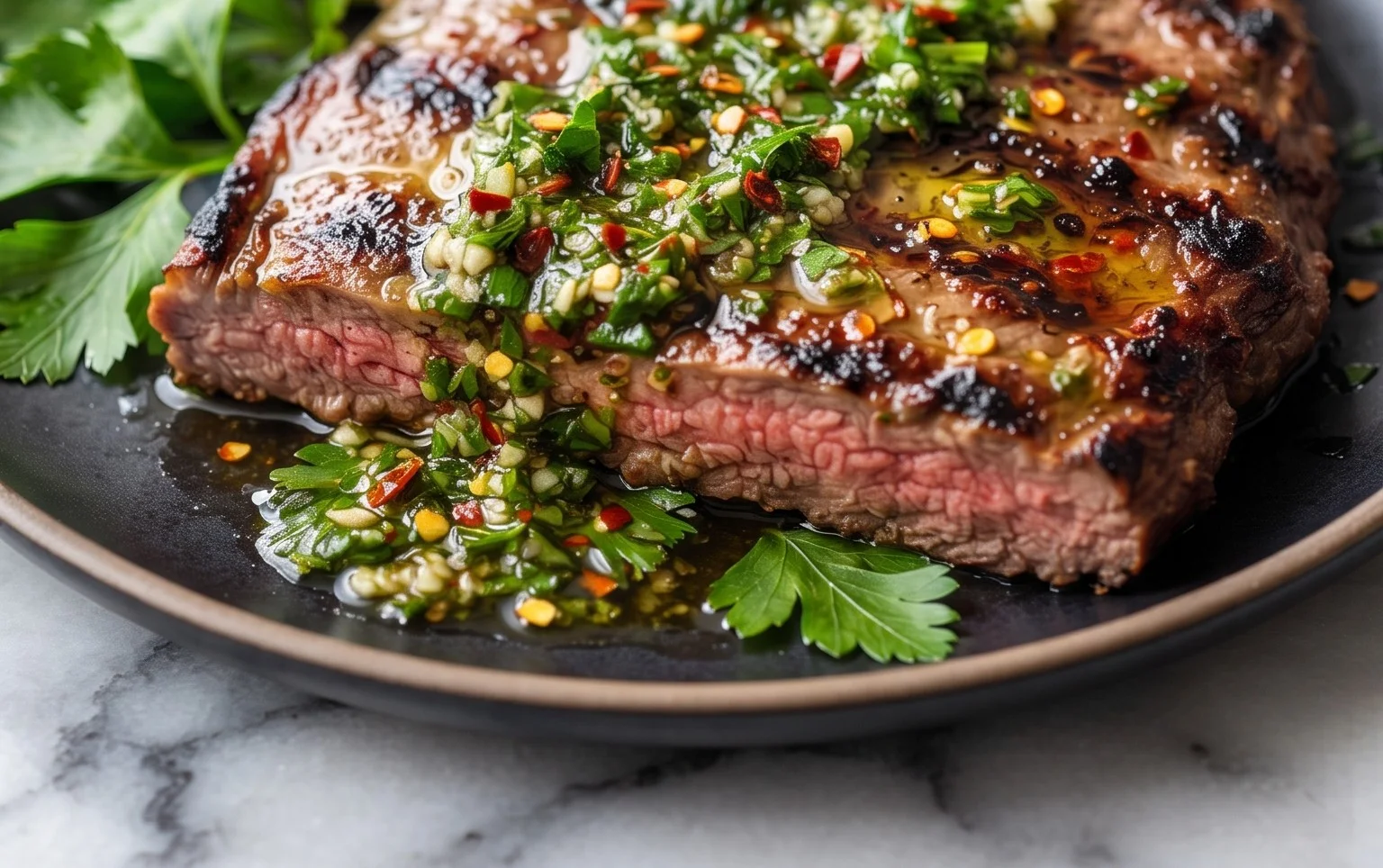
Once you’ve achieved chimichurri perfection, transfer it to an airtight container. It will keep in the refrigerator for up to a week, though its vibrant flavor is best within the first few days. Enjoy it with grilled steaks, chicken, fish, or any dish that could use a burst of fresh, herbaceous goodness!
Conclusion:
And there you have it – your guide to creating the most vibrant and flavorful chimichurri sauce! This recipe is truly fantastic because it’s incredibly fresh, surprisingly simple to make, and offers a burst of herbaceous goodness that elevates almost any dish. Its zesty parsley and oregano base, balanced with garlic, vinegar, and olive oil, creates a symphony of tastes that will have you reaching for it again and again.
The beauty of this versatile sauce lies in its serving suggestions. Drizzle it over grilled steaks, chicken, or fish for an instant flavor upgrade. It’s also wonderful as a marinade, a dip for roasted vegetables, or even stirred into grains like quinoa or rice. Don’t be afraid to experiment with variations! You can adjust the spice level with red pepper flakes, add a touch of sweetness with a pinch of sugar, or even incorporate other fresh herbs like cilantro or mint.
I truly encourage you to give this chimichurri sauce recipe a try. It’s a game-changer in the kitchen, bringin extractg a taste of South America right to your table with minimal effort. Get ready to impress yourself and your guests with this delicious and adaptable condiment!
Frequently Asked Questions:
How long does chimichurri sauce last?
When stored properly in an airtight container in the refrigerator, your homemade chimichurri sauce can last for up to a week. The fresh herbs will gradually lose some of their vibrancy over time, but the flavor will remain excellent.
Can I make chimichurri sauce ahead of time?
Absolutely! In fact, letting your chimichurri sauce sit in the refrigerator for at least 30 minutes before serving allows the flavors to meld together even more beautifully. This makes it a perfect make-ahead option for gatherings or busy weeknights.
What kind of vinegar is best for chimichurri?
Red grape juice vinegar is the traditional and most commonly used vinegar for chimichurri sauce, offering a nice tang that complements the herbs perfectly. However, you can also experiment with apple cider vinegar or white grape juice vinegar for slightly different flavor profiles.
Chimichurri Sauce
A vibrant and herbaceous Argentinian sauce, perfect for grilled meats and vegetables. This version uses red grape juice vinegar as a non-alcoholic alternative to traditional wine vinegar.
Ingredients
-
1 1/2 cups well packed (42g) fresh parsley
-
1/2 cup well packed (20g) fresh cilantro
-
1/4 cup (9g) fresh oregano or 1 tsp dried
-
1/4 small red onion
-
3 garlic cloves
-
3 Tbsp red grape juice vinegar
-
2 Tbsp fresh lemon juice
-
1/2 tsp salt
-
1/4 tsp red pepper flakes
-
3/4 cup olive oil
Instructions
-
Step 1
Finely chop the fresh parsley, cilantro, oregano (if using fresh), red onion, and garlic. -
Step 2
In a medium bowl, combine the chopped herbs, onion, garlic, red grape juice vinegar, lemon juice, salt, and red pepper flakes (if using). -
Step 3
Whisk together until well combined. -
Step 4
Slowly drizzle in the olive oil while whisking continuously to emulsify the sauce. -
Step 5
Taste and adjust salt and red pepper flakes as needed. -
Step 6
For best flavor, let the chimichurri sauce rest for at least 15-30 minutes at room temperature before serving to allow the flavors to meld.
Important Information
Nutrition Facts (Per Serving)
It is important to consider this information as approximate and not to use it as definitive health advice.
Allergy Information
Please check ingredients for potential allergens and consult a health professional if in doubt.