Fresh Pasta Primavera – Delicious & Easy Recipe
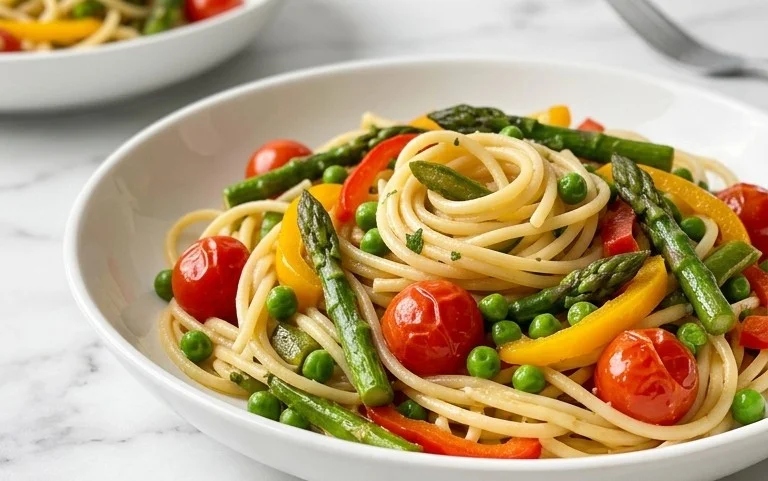
Pasta Primavera is more than just a dish; it’s a vibrant celebration on a plate, a springtime symphony bursting with fresh flavors and colors. What is it about this seemingly simple pasta dish that captures our hearts and taste buds year after year? I think it’s the sheer joy of it. It’s the way the tender pasta perfectly cradles an abundance of crisp, seasonal vegetables – the sweet snap of peas, the bright pop of cherry tomatoes, the earthy charm of asparagus, and the subtle sweetness of bell peppers, all bathed in a light, often garlicky, sauce. Pasta Primavera offers a delightful escape from heavier meals, a refreshing and nourishing option that feels both indulgent and virtuous. It’s a testament to how beautiful ingredients, handled with care, can create something truly magical. Get ready to create your own masterpiece!
Pasta Primavera: A Celebration of Spring’s Bounty
Pasta Primavera, a dish that translates literally to “Spring Pasta,” is a vibrant and delicious way to capture the freshest flavors of the season. It’s a remarkably adaptable dish, allowing you to tailor it to your favorite vegetables, but this rendition focuses on a classic combination that sings with color and taste. The beauty of Pasta Primavera lies in its simplicity – tender pasta tossed with a medley of crisp-tender vegetables, all brought together with a bright, zesty sauce. It’s a perfect weeknight meal that feels special enough for company, and it’s a fantastic way to get a good dose of healthy vegetables onto your plate without feeling like you’re compromising on flavor.
The key to a truly spectacular Pasta Primavera is to treat each vegetable with respect, cooking them to that perfect point where they are still slightly firm and bursting with their natural sweetness, rather than turning mushy. This recipe uses a wonderful array of colorful vegetables that not only look stunning but also offer a delightful textural contrast. The penne pasta provides a perfect canvas for the vegetables and sauce to cling to, ensuring every bite is a harmonious blend of flavors and textures. Let’s dive into creating this delightful spring classic.
Ingredients:
Cooking Instructions
1. Prepare the Pasta and Vegetables
Begin extract by bringin extractg a large pot of generously salted water to a rolling boil. This is crucial for well-seasoned pasta. Add your 10 oz. of dry Barilla Penne Pasta and cook according to package directions until al dente. This means the pasta should be tender but still have a slight bite to it. While the pasta is cooking, this is the perfect time to prepare your vegetables. Ensure your red onion is thinly sliced. For the carrot, red bell pepper, broccoli florets, yellow squash, and zucchini, aim for similar-sized matchsticks or quartered portions. This uniformity in size will ensure they cook evenly. Mince your garlic cloves, and halve your grape tomatoes lengthwise. Having everything prepped and ready to go before you start sautéing will make the cooking process much smoother and more enjoyable.
2. Sauté the Aromatics and Heartier Vegetables
Once your pasta water is boiling and you’ve prepped your veggies, heat 1/4 cup of olive oil in a large skillet or Dutch oven over medium heat. Add the sliced red onion and sauté for about 3-4 minutes until it begin extracts to soften and become translucent. Next, add the carrot matchsticks. Carrots take a little longer to cook, so giving them a head start allows them to soften properly without becoming mushy. Cook for another 5 minutes, stirring occasionally. Following that, add the broccoli florets. Stir everything together and let it cook for about 5-7 minutes, or until the broccoli is bright green and starting to become tender-crisp. This stage is all about building flavor and ensuring the firmer vegetables reach their ideal texture.
3. Introduce the Softer Vegetables and Garlic
Now it’s time to add the red bell pepper and the yellow squash and zucchini. These vegetables cook more quickly, so they join the party a bit later. Continue to sauté for another 4-5 minutes, stirring frequently, until the bell pepper is slightly tender and the squash and zucchini are just begin extractning to soften but still retain a pleasant bite. At this point, add the minced garlic cloves to the skillet. Garlic can burn easily, so it’s best added towards the end of the sautéing process. Cook for about 1 minute until fragrant, being careful not to let it brown or scorch.
4. Add Tomatoes, Seasoning, and Pasta Water Magic
To the skillet, add the halved grape tomatoes. Their natural sweetness will start to release as they heat up. Sprinkle in the 2 tsp of dried Italian seasoning. Stir everything together to distribute the herbs and spices evenly. Now, before draining your pasta, carefully scoop out about 1/2 cup of the starchy pasta water. This liquid gold is essential for creating a cohesive sauce. Add this reserved pasta water to the skillet with the vegetables. The starch in the water will help to emulsify the olive oil and lemon juice, creating a light and glossy sauce that coats the pasta beautifully.
5. Combine and Finish with Lemon and Parmesan
By now, your pasta should be perfectly cooked and al dente. Drain it well and add it directly to the skillet with the sautéed vegetables and sauce. Add the 2 Tbsp of fresh lemon juice. The bright citrus flavor is key to cutting through the richness of the olive oil and balancing the sweetness of the vegetables. Toss everything together vigorously to ensure the pasta is well coated with the sauce and the vegetables are evenly distributed. Add half of the 1/2 cup of shredded parmesan cheese and toss again. The residual heat will melt the cheese, further enhancing the sauce. Taste and adjust seasoning with salt and pepper if needed.
6. Serve and Enjoy Your Spring Masterpiece
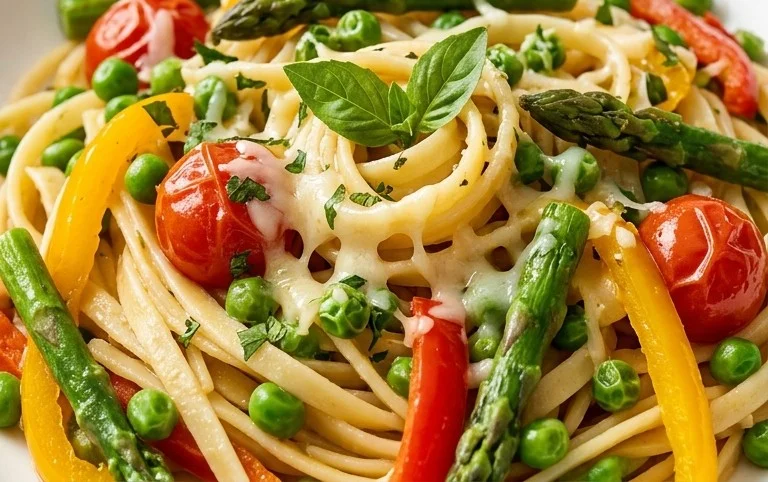
To serve, divide the Pasta Primavera among warm bowls. Garnish generously with the remaining shredded parmesan cheese. The vibrant colors, the array of textures, and the fresh, zesty flavors make this Pasta Primavera a true celebration of spring. It’s a dish that’s as delightful to look at as it is to eat. You can also add a sprinkle of fresh parsley or basil for an extra burst of freshness if you have it on hand. Enjoy this delightful and satisfying meal!
Conclusion:
Pasta Primavera truly shines as a vibrant and satisfying dish, perfect for any occasion. Its beauty lies in its simplicity and its incredible versatility, making it a go-to recipe for home cooks of all levels. We’ve crafted a recipe that celebrates the freshness of seasonal vegetables, brought together with perfectly cooked pasta and a light, flavorful sauce. Whether you’re looking for a quick weeknight meal or a delightful option for entertaining, this Pasta Primavera is sure to impress. Don’t be afraid to experiment with your favorite vegetables; the possibilities are truly endless!
For serving, I love pairing this dish with a crisp green salad and some crusty garlic bread. It also pairs wonderfully with a light white grape juice. As for variations, feel free to add a protein like grilled chicken, shrimp, or even some cannellini beans for extra heartiness. Consider incorporating different herbs like basil, parsley, or even a touch of mint for an unexpected twist. Try it out soon – I’m confident you’ll fall in love with this delightful Pasta Primavera!
Frequently Asked Questions:
What vegetables are best for Pasta Primavera?
The beauty of Pasta Primavera is its adaptability! While this recipe features classic spring vegetables like asparagus, peas, and bell peppers, you can absolutely use what’s in season or what you have on hand. Broccoli, zucchini, cherry tomatoes, spinach, and even finely chopped carrots are all fantastic additions. The key is to cut them into bite-sized pieces so they cook evenly and are easy to enjoy with your pasta.
Can I make Pasta Primavera vegan?
Absolutely! To make this recipe vegan, simply omit the Parmesan cheese or substitute it with a vegan Parmesan alternative. You can also use a plant-based milk or a vegetable broth for a richer sauce, or simply rely on the olive oil and pasta water to create a wonderfully emulsified sauce. It’s a very accommodating dish!
Pasta Primavera
A vibrant and healthy pasta dish featuring fresh spring vegetables and tender penne pasta, tossed in a light lemon-garlic sauce.
Ingredients
-
10 oz. dry Barilla Penne Pasta
-
Salt
-
1/4 cup olive oil
-
1/2 medium red onion, sliced
-
1 large carrot, peeled and sliced into matchsticks
-
2 cups broccoli florets, cut into matchsticks
-
1 medium red bell pepper, sliced into matchsticks
-
1 medium yellow squash, sliced into quarter portions
-
1 medium zucchini, sliced into quarter portions
-
3 – 4 cloves garlic cloves, minced
-
1 cup (heaping) grape tomatoes, halved through the length
-
2 tsp dried Italian seasoning
-
1/2 cup pasta water
-
2 Tbsp fresh lemon juice
-
1/2 cup shredded parmesan, divided
Instructions
-
Step 1
Cook Barilla Penne Pasta according to package directions in salted boiling water. Reserve 1/2 cup of pasta water before draining. -
Step 2
While pasta is cooking, heat olive oil in a large skillet over medium heat. Add sliced red onion and cook until softened, about 3-4 minutes. -
Step 3
Add carrot matchsticks, broccoli florets, red bell pepper matchsticks, yellow squash, and zucchini to the skillet. Cook for 7-10 minutes, stirring occasionally, until vegetables are tender-crisp. -
Step 4
Stir in minced garlic and dried Italian seasoning. Cook for 1 minute until fragrant. -
Step 5
Add halved grape tomatoes to the skillet and cook for another 2-3 minutes until they begin to soften. -
Step 6
Add the drained pasta to the skillet with the vegetables. Pour in the reserved pasta water and lemon juice. Toss to combine. -
Step 7
Stir in half of the shredded parmesan cheese. Season with salt to taste. Toss until the cheese is melted and the sauce is slightly creamy. -
Step 8
Serve immediately, garnished with the remaining shredded parmesan cheese.
Important Information
Nutrition Facts (Per Serving)
It is important to consider this information as approximate and not to use it as definitive health advice.
Allergy Information
Please check ingredients for potential allergens and consult a health professional if in doubt.