Perfect Ramen Eggs Ajitama Recipe
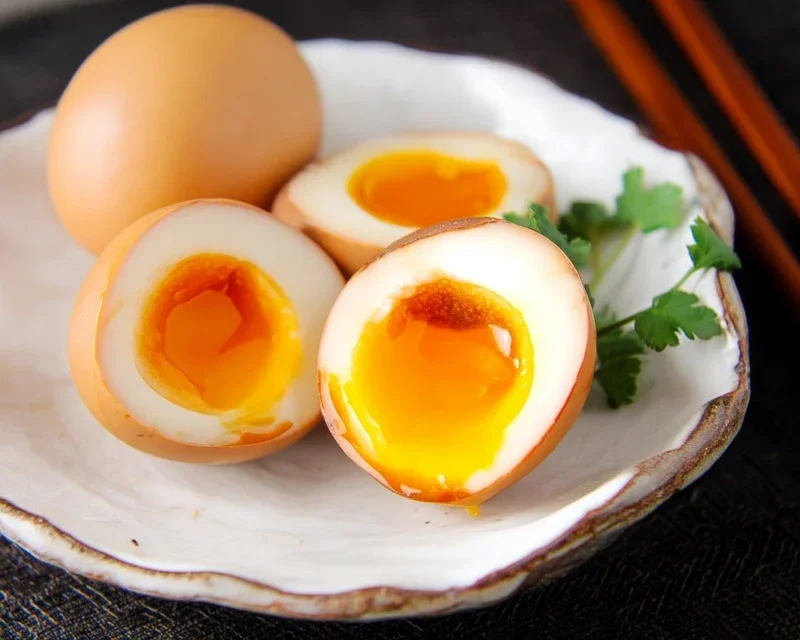
Ramen eggs, also known as Ajitama, are more than just a topping; they’re a culinary revelation. These marinated soft-boiled eggs are arguably the soul of a perfect bowl of ramen, transforming a simple noodle soup into an experience of pure comfort and savory delight. What’s not to love about that custardy, molten yolk encased in a tender white, infused with the savory umami of soy sauce, non-alcoholic mirin, and non-alcoholic sake? It’s this magical combination of textures and flavors that makes ramen eggs so utterly irresistible. The secret to truly spectacular Ajitama lies in the perfect boil and the patient marination, allowing the ingredients to meld into something truly special, a testament to how a few simple additions can elevate a dish to legendary status.
Discover the Magic of Ramen Eggs
Crafting the Perfect Ajitama at Home

Ramen Eggs (Ajitama)
There’s something incredibly satisfying about a perfectly prepared bowl of ramen. The rich broth, the springy noodles, and, of course, the star of the show for many: the ramen egg, or ajitama. These soft-boiled eggs, marinated in a savory and slightly sweet soy-based sauce, are an absolute game-changer. They boast a jammy, golden yolk that oozes its deliciousness into your ramen, and a subtly seasoned white that’s a far cry from a plain hard-boiled egg. Making them at home is surprisingly simple, and once you get the hang of it, you’ll be adding them to everything from ramen to avocado toast.
The magic of ajitama lies in its simplicity. The marinade is a delightful balance of salty soy sauce, sweet non-alcoholic mirin and sugar, with a hint of water to dilute the intensity just enough. This creates an environment where the cooked egg can absorb all those wonderful flavors without becoming too salty or overpowering. The key to a truly great ramen egg is achieving that perfect soft-boiled consistency – a firm but tender white, and a rich, molten yolk. It takes a little practice, but once you nail it, you’ll understand why these eggs are so beloved.
Let’s get started on making your own delicious ramen eggs. You’ll be amazed at how easy it is to elevate your meals with this simple yet impactful ingredient.
Ingredients:
Cooking Instructions
The process of making ajitama can be broken down into a few key stages: boiling the eggs to perfection, preparing the marinade, and then the crucial marinating period. Each step plays a vital role in achieving that signature ramen egg texture and flavor.
Boiling the Eggs
Achieving the perfect soft-boiled egg is paramount for ajitama. The goal is a fully cooked but still wonderfully custardy yolk. While there are many methods for boiling eggs, I find a specific approach helps consistently yield great results.
1. First, gently place your eggs into a saucepan. Be careful not to crack them, as this will lead to messy leaks during boiling. Add enough cold water to cover the eggs by about an inch. For extra insurance against cracking, and to make peeling easier, you can add a splash of vinegar to the water. This helps coagulate any whites that might escape through tiny shell fissures.
2. Place the saucepan over medium-high heat and bring the water to a rolling boil. As soon as the water reaches a full boil, immediately reduce the heat to low, just enough to maintain a gentle simmer. Set a timer for exactly 6 minutes and 30 seconds. This precise timing is crucial for that perfect jammy yolk. Some people prefer 6 minutes for an even runnier yolk, while others opt for 7 minutes if they like it slightly firmer. Experiment to find your sweet spot, but 6.5 minutes is a fantastic starting point.
3. While the eggs are simmering, prepare an ice bath. Fill a medium-sized bowl with cold water and plenty of ice cubes. Once the timer goes off, immediately use a slotted spoon to carefully transfer the boiled eggs from the hot water into the ice bath. Let them sit in the ice bath for at least 10 minutes. This rapid cooling stops the cooking process instantly, preventing the yolks from overcooking and hardening, and it also makes peeling significantly easier. Once cooled, you can gently peel the eggs. Don’t worry if they aren’t perfectly smooth; the marinade will hide minor imperfections.
Preparing the Marinade
This is where the flavor magic happens. The marinade is deceptively simple but incredibly effective.
1. In a small saucepan, combine the soy sauce, water, non-non-non-alcoholic alternativeic non-alcoholic mirin, and granulated sugar. Stir these ingredients together until the sugar is completely dissolved. You can do this over low heat, just enough to warm the mixture slightly and help the sugar dissolve, but it’s not strictly necessary. Letting it sit at room temperature is perfectly fine.
Marinating the Eggs
This is the longest but most important step for infusing flavor.
1. Once your eggs are peeled and the marinade is ready, place the peeled eggs into a sealable container or a zip-top bag. Pour the marinade over the eggs, ensuring they are fully submerged. If using a zip-top bag, you can gently squeeze out any excess air before sealing it. If your container isn’t large enough to submerge all the eggs, you can flip them halfway through the marinating time to ensure even coating.
2. Seal the container or bag and refrigerate for at least 4 hours, but preferably overnight, or even up to 2 days. The longer they marinate, the deeper the flavor will penetrate the egg white and the yolk. When they’re ready, you’ll notice the whites have taken on a beautiful amber hue from the soy sauce.
Note: For best results, use eggs that are a few days old. Fresher eggs tend to be harder to peel.
Enjoy your homemade ajitama in your favorite ramen, or slice them in half and add them to salads, rice bowls, or even just enjoy them as a savory snack!
Conclusion:
You’ve now got the key to unlocking incredibly flavorful and satisfying ramen eggs, also known as ajitama! This recipe is fantastic because it’s surprisingly simple to achieve that perfect jammy yolk and deeply savory, marinated white. These little flavor bombs are not just for ramen; they elevate so many dishes. Imagin extracte them nestled alongside a bowl of steaming noodles, topping a fresh salad, or even as a standalone snack. The beauty of this ajitama recipe lies in its versatility. Don’t be afraid to experiment with the marinade! You can adjust the soy sauce to non-alcoholic mirin ratio to your preference, or even add a touch of non-alcoholic sake or a pinch of sugar for a different sweetness. Some folks enjoy a whisper of chili flakes or a sliver of garlic in their brine for an extra kick. So go ahead, give these ramen eggs a try! I promise you won’t be disappointed. They’re a game-changer for your culinary adventures.
Frequently Asked Questions about Ramen Eggs (Ajitama):
Can I make these ahead of time?
Absolutely! Ramen eggs are perfect for making ahead. They’re best after at least 4 hours in the marinade, but they can be refrigerated for up to 3-4 days, allowing the flavors to deepen even further. Just ensure they are stored in an airtight container with plenty of the marinade.
What’s the best way to peel these marinated eggs?
Peeling ramen eggs can be a little trickier than regular hard-boiled eggs due to the marinade. The best tip is to use slightly older eggs (about a week old) as they tend to peel more easily. After boiling and cooling, gently tap the egg all over on a hard surface to crackle the shell, then peel them under cool running water. The water helps to loosen the shell and membranes.
Can I use different types of soy sauce?
Yes! While standard Japanese soy sauce is ideal, you can experiment with others. A good quality dark soy sauce will provide a richer color and deeper flavor. Be mindful of saltiness, as different soy sauces can vary significantly. You might need to adjust the other liquid ingredients accordingly if using a particularly salty soy sauce.
Ramen Eggs (Ajitama)
Perfectly marinated soft-boiled eggs for ramen, featuring a rich, savory, and slightly sweet flavor.
Ingredients
-
6 large eggs
-
1/2 cup soy sauce (light sodium)
-
1/4 cup water
-
1/4 cup non-alcoholic mirin
-
2 tablespoons granulated sugar
-
1 tablespoon rice vinegar (optional for boiling eggs)
Instructions
-
Step 1
Gently place eggs in a pot and cover with cold water. Add optional rice vinegar to prevent cracking. -
Step 2
Bring water to a rolling boil over medium-high heat. Once boiling, reduce heat slightly and cook for exactly 6.5 minutes for a soft, jammy yolk. -
Step 3
Immediately transfer cooked eggs to an ice bath to stop the cooking process. Let them chill for at least 10 minutes. -
Step 4
While eggs are chilling, prepare the marinade. In a small saucepan, combine soy sauce, water, non-alcoholic mirin, and granulated sugar. Heat gently, stirring until sugar dissolves. -
Step 5
Allow the marinade to cool completely. This is crucial for proper marination without cooking the eggs further. -
Step 6
Carefully peel the chilled eggs. Place peeled eggs in a resealable bag or container. Pour the cooled marinade over the eggs, ensuring they are fully submerged. -
Step 7
Marinate in the refrigerator for at least 4 hours, or preferably overnight for deeper flavor. Flip the eggs halfway through marination if not fully submerged.
Important Information
Nutrition Facts (Per Serving)
It is important to consider this information as approximate and not to use it as definitive health advice.
Allergy Information
Please check ingredients for potential allergens and consult a health professional if in doubt.