Spicy Tuna Kimbap Easy Minute Recipe
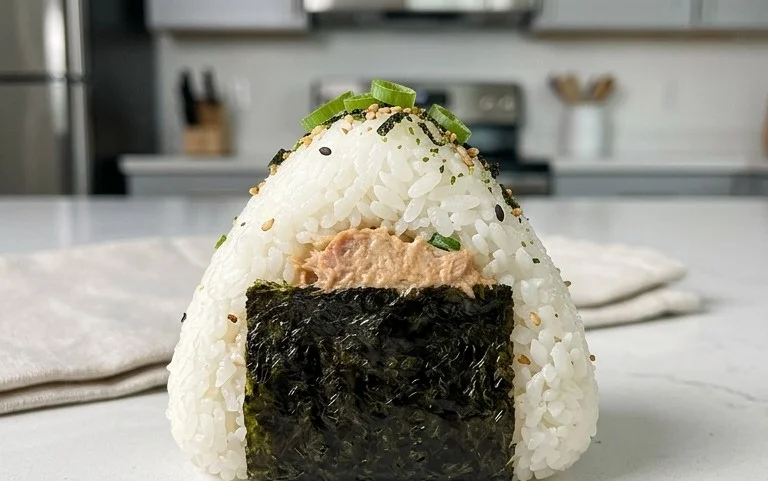
Easy 15-min. Spicy Tuna Kimbap is your new weeknight hero, I promise! Are you tired of spending ages in the kitchen after a long day, only to settle for something bland and uninspired? Well, say goodbye to those culinary woes because we’re about to whip up a flavor-packed, incredibly satisfying meal in just 15 minutes. This dish is a modern twist on the beloved Korean kimbap, and it’s taken the world by storm for so many reasons. It’s a delightful dance of textures and tastes – the satisfying chew of the rice, the crisp bite of fresh vegetables, and that irresistible kick from the spicy tuna filling. It’s the perfect blend of healthy and indulgent, making it a go-to for a quick lunch, a light dinner, or even a fun snack. What truly makes this Easy 15-min. Spicy Tuna Kimbap so special is its remarkable versatility and speed. It’s a culinary magic trick that delivers big flavor with minimal effort, proving that delicious doesn’t have to mean time-consuming.
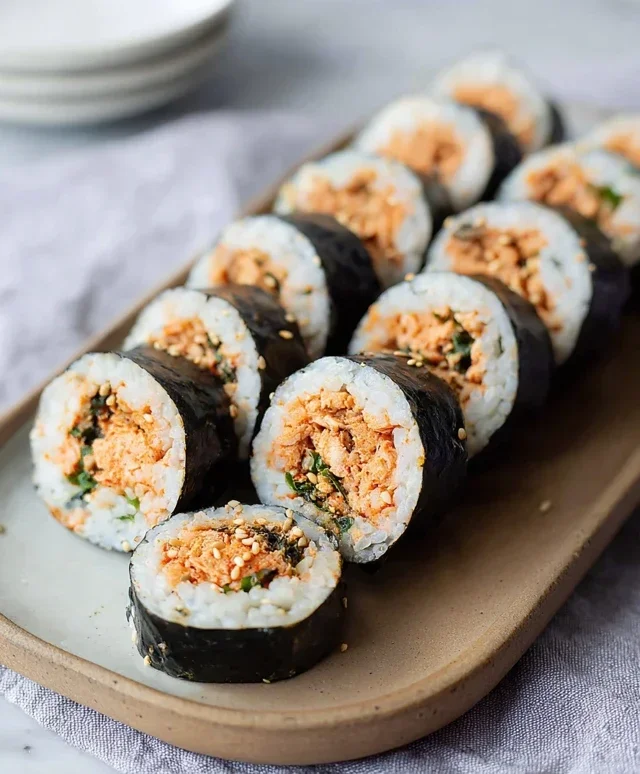
Easy 15-Minute Spicy Tuna Kimbap
Who says delicious and healthy meals have to take hours? Today, we’re diving into the wonderfully quick and incredibly satisfying world of Spicy Tuna Kimbap. This recipe is designed for those moments when hunger strikes fast and you crave something flavorful, a little spicy, and satisfying. Kimbap, often mistaken for sushi rolls, is actually more akin to a Korean rice roll, typically seasoned with sesame oil and salt, and packed with various fillings. Our version amps up the excitement with a zesty spicy tuna mixture that’s surprisingly easy to whip up. You can have these delightful rolls on your table in just about 15 minutes, making it perfect for a speedy lunch, a light dinner, or even a convenient snack.
The beauty of kimbap lies in its versatility, but this spicy tuna rendition is a crowd-pleaser for a reason. The creamy, spicy tuna filling contrasts beautifully with the fluffy rice and the subtle oceanic notes of the nori. We’ve also included perilla leaves for an extra layer of aromatic complexity, but don’t worry if you can’t find them – a good quality lettuce will do the trick too. Let’s get started and create some magic in under 15 minutes!
Ingredients:
Preparing the Spicy Tuna Filling
The heart of our kimbap is this vibrant spicy tuna mixture. It’s incredibly simple to assemble and delivers a punch of flavor. Start by draining your canned tuna thoroughly. If you’re using tuna packed in oil, a good drain is essential to prevent the kimbap from becoming greasy. For tuna in water, you’ll want to press out as much liquid as possible. In a medium bowl, flake the drained tuna with a fork. Add the very finely chopped green onion – the finer, the better, so you don’t get large chunks in your rolls. Next, add the Japanese mayonnaise. Kewpie mayo is fantastic here because it’s richer and tangier than regular mayonnaise, but feel free to use your favorite regular mayo if that’s what you have on hand. Finally, add your sriracha. Start with 1 tablespoon if you’re unsure about your spice level, and then add more to reach your desired heat. Mix everything together until it’s well combined and creates a cohesive, creamy mixture. Taste it and adjust the sriracha or mayo if needed. You want a flavor that’s balanced between creamy, spicy, and savory.
Seasoning the Rice
While the tuna filling is coming together, let’s focus on the rice. Kimbap rice is seasoned simply but effectively to enhance its flavor and texture. Ensure your short-grain rice is hot and freshly cooked. In a bowl, combine the hot rice with 1 teaspoon of sesame oil, 1 teaspoon of sesame seeds, and 1 teaspoon of salt. Gently fold these ingredients into the rice using a spoon or spatula. The goal here is to distribute the seasonings evenly without mashing the rice grains. You want the rice to be tender and slightly sticky, but not mushy. The sesame oil adds a wonderful nutty aroma, and the salt balances the flavors. This seasoned rice will form the base of our kimbap, providing a comforting and subtly flavored foundation for the spicy tuna.
Assembling the Kimbap Rolls
Now for the fun part – rolling! Lay one sheet of nori shiny-side down on a clean, dry surface, such as a bamboo sushi mat or even just a clean cutting board. If you’re using a bamboo mat, it can help with rolling, but it’s not strictly necessary for this quick version. Spread a thin, even layer of the seasoned hot rice over about two-thirds of the nori sheet, leaving the top edge (about 1-inch wide) bare. This bare edge will help seal the roll. Don’t press the rice down too hard; keep it light and airy. Next, arrange the perilla leaves (or lettuce) in a line horizontally across the rice, about one-third of the way up from the bottom edge. Then, spoon the spicy tuna mixture in a thick line over the perilla leaves. Don’t overfill, or your rolls will be difficult to close.
Rolling and Sealing
This step requires a little finesse but is quite straightforward once you get the hang of it. Starting from the bottom edge (where the rice is thickest), begin extract to roll the nori up and over the filling, using your fingers to tuck the filling in as you go. Apply gentle, even pressure to create a tight roll. As you continue to roll, lift the edge of the nori or bamboo mat (if using) to guide the roll forward. Once you reach the bare edge of the nori, dab a tiny bit of water on it to help it stick and seal the roll completely. Ensure the seam is on the bottom. You should now have a beautiful, tightly rolled kimbap log. Repeat this process with the second sheet of nori and the remaining ingredients.
Finishing Touches and Serving
Once your kimbap rolls are assembled, it’s time for the final flourish. Lightly brush the outside of each roll with 1/2 teaspoon of sesame oil. This not only adds a beautiful sheen but also a lovely aroma. Sprinkle the rolls with the remaining 1/2 teaspoon of sesame seeds for a visual appeal and a little crunch. Now, using a sharp knife, slice each roll into bite-sized pieces, about 1-inch thick. It’s helpful to wipe your knife with a damp cloth between cuts to prevent the rice from sticking. Arrange your spicy tuna kimbap on a serving platter, and voilà! You have a delicious, homemade meal ready in a flash. Serve immediately and enjoy the burst of flavors. These are fantastic on their own or served with a side of soy sauce for dipping.
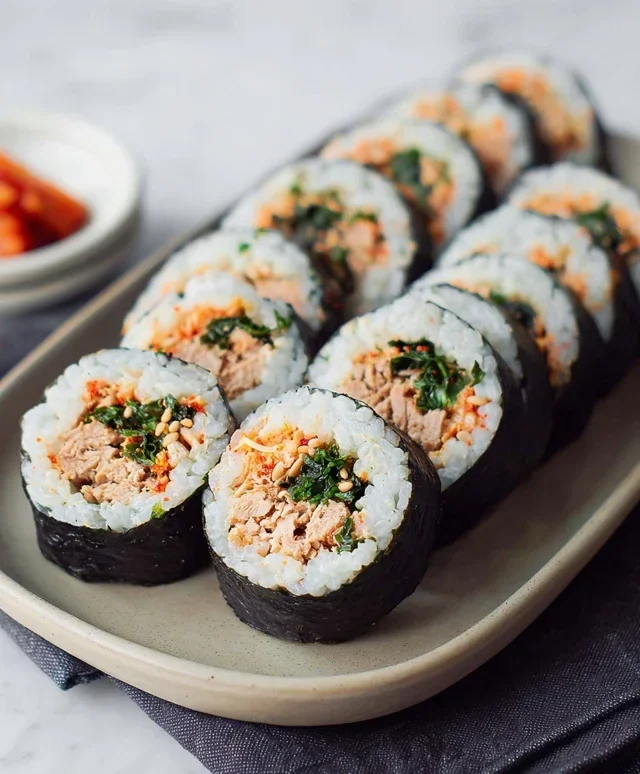
Conclusion:
There you have it – a delicious and incredibly quick way to enjoy the vibrant flavors of Spicy Tuna Kimbap! This recipe truly shines because it’s packed with taste, customizable to your preferences, and astonishingly fast to prepare, making it perfect for busy weeknights or a speedy lunch. The combination of spicy tuna, crisp vegetables, and perfectly seasoned rice rolled in nori is a truly satisfying experience.
Don’t be afraid to get creative with your fillings! Consider adding pickled radish, kimchi, or even a sprinkle of toasted sesame seeds for extra crunch and flavor. Serve your Easy 15-min. Spicy Tuna Kimbap on its own as a light meal, or pair it with a simple miso soup or a side of pickled cucumbers for a more complete Korean-inspired feast. I highly encourage you to give this recipe a try – you might just find your new go-to quick and tasty meal!
Frequently Asked Questions about Spicy Tuna Kimbap:
Can I make the spicy tuna mixture ahead of time?
Absolutely! You can prepare the spicy tuna filling up to a day in advance and store it in an airtight container in the refrigerator. This makes assembling the kimbap even faster when you’re ready to eat.
What if I don’t like spicy food?
No problem at all! You can significantly reduce the spice level by using less gochujang or substituting it with a milder chili paste. Alternatively, you can omit the gochujang and add a touch of soy sauce and a pinch of sugar for a savory flavor profile.
Can I use canned tuna other than in oil or water?
Yes, while tuna packed in oil or water is most common and readily available, you can experiment with other types of canned tuna if you prefer. Just be sure to drain it thoroughly to avoid making your kimbap too wet.
Easy 15-min. Spicy Tuna Kimbap
Quick and flavorful Korean sushi rolls filled with spicy tuna, seasoned rice, and fresh perilla leaves. Perfect for a fast lunch or snack.
Ingredients
-
2 sheets nori (or gim (dry roasted seaweed))
-
4 perilla leaves (washed & dried with stems trimmed (or sub with green leaf lettuce))
-
1/2 tsp sesame oil (to season kimbap)
-
1/2 tsp sesame seeds (to garnish kimbap)
-
2 cups cooked short grain rice (hot)
-
1 tsp sesame oil
-
1 tsp sesame seeds
-
1 tsp salt
-
5.3 oz canned tuna in oil (or canned tuna in water)
-
2 tbsp green onion (very finely chopped)
-
2 tbsp Japanese mayo (aka Kewpie mayo (or regular mayo))
-
1-2 tbsp sriracha (depending on your spice tolerance (or sub with gochujang))
Instructions
-
Step 1
Drain the canned tuna and place it in a small bowl. Add the green onion, Japanese mayo, and sriracha. Mix well until combined. -
Step 2
In a separate bowl, combine the hot cooked rice with 1 tsp sesame oil, 1 tsp sesame seeds, and 1 tsp salt. Mix gently until the rice is evenly seasoned. -
Step 3
Lay one sheet of nori on a bamboo rolling mat (or a clean kitchen towel), shiny side down. Spread half of the seasoned rice evenly over the nori, leaving a 1-inch border at the top edge. -
Step 4
Arrange the perilla leaves on top of the rice. Then, spread half of the spicy tuna mixture in a line across the perilla leaves, closer to the bottom edge of the nori. -
Step 5
Using the bamboo mat, carefully roll the kimbap tightly from the bottom edge, pressing gently to form a compact log. Wet the top border of the nori with a little water to seal the roll. -
Step 6
Repeat the process with the second sheet of nori and remaining ingredients. -
Step 7
Brush the outside of the rolled kimbap with 1/2 tsp sesame oil and sprinkle with 1/2 tsp sesame seeds. -
Step 8
Slice the kimbap into bite-sized pieces using a sharp knife. Serve immediately.
Important Information
Nutrition Facts (Per Serving)
It is important to consider this information as approximate and not to use it as definitive health advice.
Allergy Information
Please check ingredients for potential allergens and consult a health professional if in doubt.